For years, businesses have relied on instinct, experience, and traditional analytics to guide their strategies. But in 2025, something remarkable is happening—AI-driven decision making is no longer just a buzzword, it’s a game-changer. Companies across industries are using artificial intelligence not only to crunch data but to recommend actions, predict outcomes, and even simulate scenarios.
Why 2025 Is the Year of Smarter Decisions
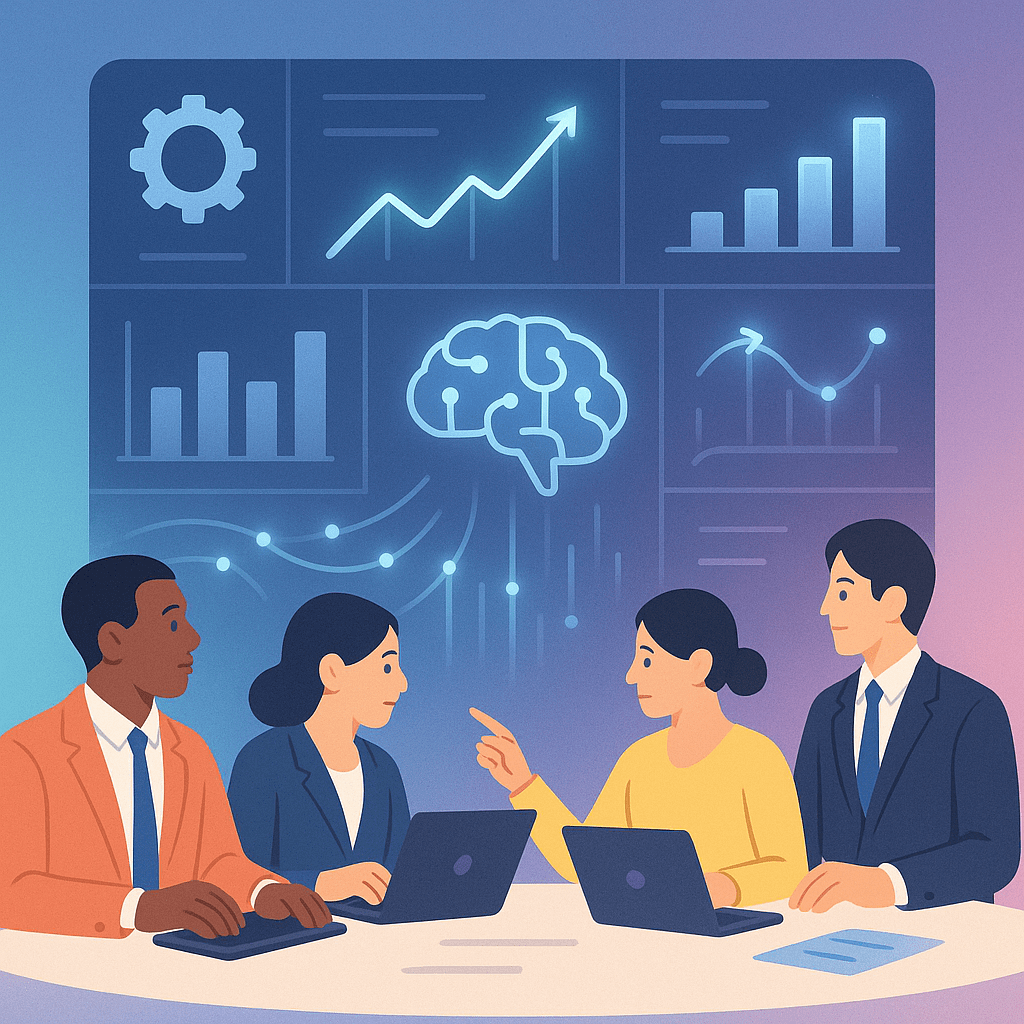
This shift is giving leaders sharper insights, reducing risks, and unlocking growth opportunities at a pace never seen before. Let’s explore 7 powerful ways AI-driven decision making is transforming businesses in 2025.
1. Predictive Analytics for Smarter Forecasting
What It Means
Predictive analytics uses AI to forecast future trends based on historical and real-time data. Instead of guessing what the market might do, businesses can now rely on data-backed predictions.
Real-World Example
Retailers like Amazon leverage predictive models to anticipate customer demand and optimize inventory. This reduces overstock and minimizes the risk of stockouts.
Data Insight
A Gartner report in early 2025 found that companies using predictive AI improved forecast accuracy by up to 35%, giving them a massive edge in competitive industries.
2. Enhancing Customer Experience with Personalization
Why It Matters
Consumers expect personalized experiences. AI-driven decision making allows businesses to tailor products, marketing, and services to individual needs.
Example in Action
Netflix recommends shows based on your past behavior, while e-commerce sites curate product suggestions in real time. This level of personalization boosts customer satisfaction and loyalty.
Storytelling
One travel startup integrated AI personalization into its booking system. Customers received customized trip recommendations based on past preferences, and booking rates rose by 28% in three months.
3. Risk Management and Fraud Detection
The Challenge
Fraud costs businesses billions each year. Traditional systems often detect fraud too late.
AI’s Role
AI-driven systems analyze massive datasets to identify suspicious patterns in real time. They can instantly flag unusual transactions, reducing financial risks.
Example
Banks like JPMorgan Chase employ AI models to detect anomalies in transactions. This proactive approach prevents fraud before it escalates.
4. Accelerating Decision Speed with Real-Time Data
Why Speed Matters
In fast-moving industries like finance, e-commerce, and logistics, timing is everything. Delayed decisions can mean lost opportunities.
How AI Helps
AI-powered dashboards give decision-makers real-time recommendations. Instead of waiting for weekly reports, managers act instantly based on live data.
Example
Logistics companies like DHL use AI to adjust delivery routes dynamically. This reduces delays, saves fuel, and keeps customers happy.
5. Workforce Optimization and Talent Management
Smarter HR Decisions
AI isn’t just for customers—it’s changing the way companies manage people. From hiring to workforce allocation, AI tools help HR teams make better choices.
Real-World Example
LinkedIn’s AI-driven recruitment tools analyze candidate profiles and match them with roles based on skill compatibility, not just keywords.
Data
According to Deloitte’s 2025 HR report, companies using AI in recruitment saw a 27% reduction in turnover rates, thanks to better candidate-job matches.
6. Product Innovation Through AI Simulation
From Ideas to Insights
AI-driven simulation tools allow businesses to test product ideas virtually before committing resources. This reduces risk and speeds up innovation cycles.
Example in Action
Automotive companies use AI simulations to test car safety features, reducing the need for expensive prototypes.
Storytelling
A consumer electronics startup used AI to simulate customer reactions to new smartphone designs. The winning design became their bestseller, saving months of costly trial and error.
7. Strategic Decision Support for Leaders
Beyond Spreadsheets
Executives face complex decisions that impact the entire company. AI-powered decision support systems analyze thousands of variables and recommend strategies.
Example
Healthcare organizations use AI to decide where to allocate resources—whether to invest in new clinics, expand telemedicine, or focus on preventive care.
Insight
McKinsey’s 2025 survey revealed that 62% of executives said AI decision support gave them greater confidence in long-term strategic choices.
Q&A: Common Questions About AI-Driven Decision Making
Is AI replacing human decision-makers?
No. AI augments human decision-making by providing deeper insights. Leaders still provide context, judgment, and ethical oversight.
Is AI decision making expensive?
Costs have decreased significantly. Many cloud-based AI solutions are subscription-based, making them accessible even to small businesses.
What are the risks of relying on AI?
Bias in data can influence AI outcomes. It’s essential to monitor and audit AI systems regularly to ensure fairness and accuracy.
Conclusion: The Future Belongs to Data-Backed Decisions
In 2025, businesses that embrace AI-driven decision making are not just surviving—they’re thriving. From predictive analytics and risk management to personalized customer experiences and smarter talent strategies, AI empowers leaders to make decisions faster, with greater confidence, and with reduced risks.
Call-to-Action:
If your business hasn’t started integrating AI into decision-making processes, now is the time. Begin with one area—forecasting, customer personalization, or risk management—and expand as your team gains confidence. The companies that act today will shape the competitive landscape of tomorrow.
