Artificial Intelligence (AI) has moved beyond just a futuristic concept — it’s now deeply woven into the fabric of modern business. From automating tasks to enhancing customer experience, AI offers remarkable advantages. However, as AI’s influence grows, so does the importance of using it responsibly.
Why Responsible AI Is a Game Changer for Businesses Today
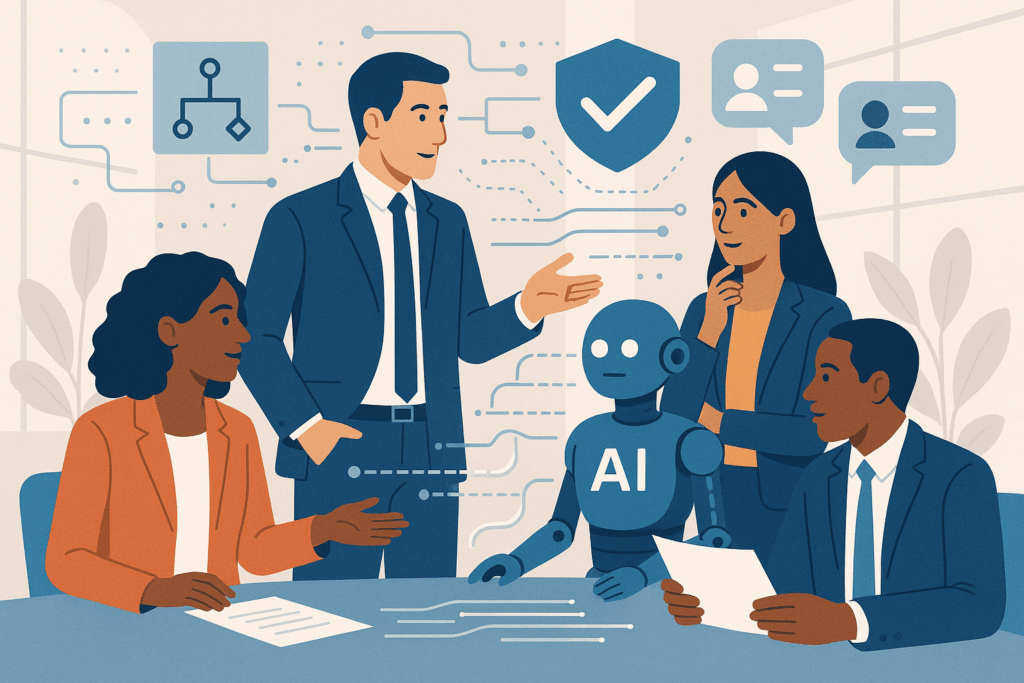
Responsible AI means designing, deploying, and managing AI systems ethically and transparently, ensuring they respect privacy, fairness, and accountability. Why does this matter? Because businesses that adopt responsible AI practices don’t just avoid risks — they build stronger relationships with customers and stakeholders, and create a sustainable competitive edge.
In this article, we’ll explore the top 5 powerful ways responsible AI is transforming modern businesses. Each approach is backed by examples, insights, and actionable tips to help you lead your business confidently into the AI-driven future.
1. Building Customer Trust Through Transparency and Fairness
Trust is the foundation of every successful business relationship. When AI makes decisions—whether it’s approving loans, personalizing offers, or screening resumes—customers want to be sure those decisions are fair and understandable.
Responsible AI emphasizes transparency. Businesses that clearly explain how AI works and what data it uses show respect for customers’ rights. This openness builds trust, reduces fears of bias, and improves acceptance.
Example:
A global financial services company implemented transparent AI models that explain loan approval criteria in simple language. This helped reduce customer complaints by 30% and increased loan acceptance rates, because applicants understood the process better.
2. Enhancing Operational Efficiency While Upholding Ethical Standards
AI’s ability to automate repetitive and time-consuming tasks is well-known, but responsible AI ensures this automation doesn’t sacrifice ethics or employee wellbeing.
By designing AI systems that respect privacy and avoid unfair profiling, businesses can improve productivity without alienating staff or customers.
Story:
A healthcare provider introduced AI-assisted patient scheduling to optimize appointment flow. They carefully designed the system to avoid discrimination based on age or ethnicity. The result was a 25% increase in operational efficiency and higher patient satisfaction.
3. Driving Innovation with Inclusive and Bias-Free AI
One of the biggest risks with AI is unintended bias, which can harm both people and business reputations. Responsible AI frameworks focus on detecting and eliminating biases in data and algorithms.
Businesses that prioritize inclusivity in AI development unlock new markets and foster innovation by reflecting diverse customer needs.
Data Insight:
Research from MIT shows companies that implement bias-free AI models experience a 15% higher rate of customer retention, thanks to better alignment with diverse audiences.
4. Strengthening Compliance and Risk Management
Regulations around data privacy and AI ethics are tightening globally. Responsible AI helps businesses stay compliant with laws like GDPR, CCPA, and emerging AI governance policies, reducing legal risks.
By embedding ethical principles into AI systems from the start, companies avoid costly fines and reputational damage.
Example:
A retail giant built AI-powered tools to monitor data usage and ensure consent protocols. This proactive approach saved millions in potential penalties and boosted customer confidence.
5. Fostering a Culture of Ethical AI and Continuous Learning
Technology is only as good as the people who use and manage it. Embedding responsible AI into company culture means ongoing education, clear policies, and empowering employees to flag concerns.
This culture encourages innovation while maintaining high ethical standards, making AI a true business asset.
Example:
A tech startup established a cross-functional “AI Ethics Committee” that reviews AI projects regularly. This initiative improved transparency internally and externally, and attracted talent who value responsible innovation.
Conclusion: Embrace Responsible AI to Lead with Integrity and Impact
Responsible AI is more than a trend — it’s a strategic imperative. By building trust, enhancing efficiency ethically, innovating inclusively, managing risks proactively, and fostering a culture of responsibility, businesses can unlock AI’s full potential.
Are you ready to transform your business with responsible AI? Start by assessing your current AI practices, educating your team, and committing to transparency and fairness.
Taking these steps today will not only future-proof your company but also position you as a leader in ethical innovation.
If you want guidance on implementing responsible AI strategies tailored to your industry, feel free to reach out. Let’s build a smarter, fairer future together.
