Let’s face it—supply chains are unpredictable. From sudden demand spikes to shipment delays and inventory nightmares, managing logistics can feel like playing whack-a-mole with a blindfold on. But what if we told you that Artificial Intelligence (AI) can actually predict, prevent, and solve many of these headaches before they even happen?
Is Your Supply Chain a Disaster Waiting to Happen?
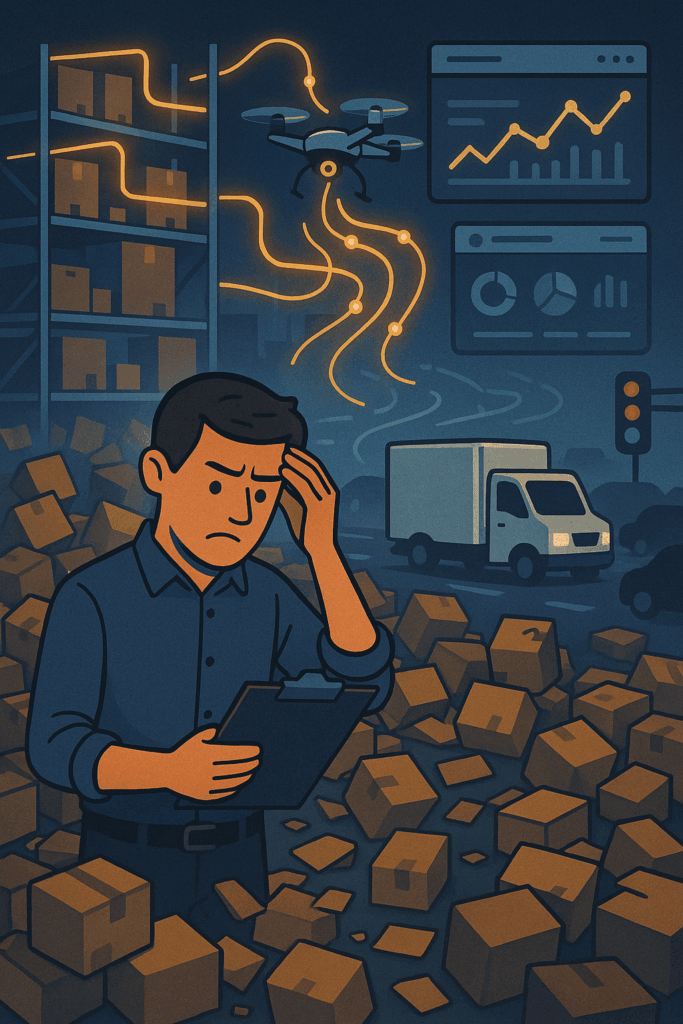
In this article, we’ll break down five of the most common supply chain nightmares—real challenges that cost companies millions every year—and show you how AI is stepping in to turn chaos into control. Whether you’re a logistics manager, a business owner, or just curious about how tech is reshaping global trade, this guide is packed with insight you can actually use.
1. The “Out-of-Stock” Disaster: Lost Sales & Frustrated Customers
The Nightmare:
Imagine running a campaign for a hot product, only to find out your shelves are empty just when demand peaks. Your sales tank, customers are annoyed, and your brand takes a hit. This kind of stockout issue is a classic supply chain pain.
How AI Saves the Day:
AI-powered demand forecasting models analyze real-time sales data, market trends, seasonality, and even social media buzz to predict demand spikes before they happen. This helps you optimize inventory across multiple locations without overstocking or understocking.
Real-World Example:
Retail giant Walmart uses AI forecasting tools that have helped improve shelf availability by over 20%, significantly reducing lost sales opportunities.
2. Delivery Delays That Damage Reputation
The Nightmare:
Your shipment is stuck in transit. Customers are calling. Partners are frustrated. You’re in damage control mode, and the delays keep piling up due to unforeseen weather, traffic, or route issues.
How AI Saves the Day:
AI can predict delivery disruptions using traffic data, weather forecasts, and carrier performance history. Logistics teams can reroute shipments in real time or switch to alternative carriers—before delays become disasters.
Real-World Example:
FedEx uses predictive analytics and AI routing algorithms to proactively adjust delivery paths, minimizing late deliveries across their network.
3. Inventory Overflow: When Overstock Becomes a Storage Nightmare
The Nightmare:
You overestimated demand and now your warehouse is overflowing. Not only are you tying up capital in unsold goods, but you’re also wasting valuable storage space—and potentially paying extra for it.
How AI Saves the Day:
AI helps with inventory optimization by analyzing supplier lead times, demand variability, and sales velocity. It recommends ideal reorder points and quantity levels, helping avoid both shortages and surpluses.
Pro Tip:
Many e-commerce platforms now integrate AI inventory tools that automatically adjust reorders based on current sales performance, cutting waste and improving warehouse efficiency.
4. Poor Supplier Performance That Slows Everything Down
The Nightmare:
Your supplier promised fast delivery, but they’re constantly late or sending incomplete orders. You end up with broken timelines and frustrated clients down the chain.
How AI Saves the Day:
With AI-driven supplier performance monitoring, you can track metrics like on-time delivery, defect rates, and response times. These insights help identify weak links in your supply network and support smarter supplier negotiations—or replacements.
Real-World Example:
IBM’s Watson Supply Chain monitors thousands of supplier data points to predict and resolve potential disruptions before they affect downstream operations.
5. Lack of Visibility: Flying Blind in a Complex Web
The Nightmare:
You don’t know where your goods are. You don’t know what stage production is in. And worse, your customers keep asking for updates you don’t have. This lack of transparency can lead to miscommunication, delays, and broken trust.
How AI Saves the Day:
AI combined with IoT (Internet of Things) devices and real-time dashboards gives you end-to-end visibility. From raw materials to last-mile delivery, AI can track, alert, and report on every step—so you’re never in the dark again.
Bonus Tip:
Many modern platforms now offer AI-based digital twins of your supply chain, allowing you to simulate “what-if” scenarios and plan for disruptions ahead of time.
Conclusion: Let AI Do the Heavy Lifting
Supply chains will never be entirely stress-free—but they don’t have to be nightmares either. AI doesn’t just automate tasks; it empowers better decisions, faster responses, and more predictable outcomes across the entire logistics ecosystem.
From forecasting demand to managing delivery routes, AI is already transforming how the world moves products. The question is—are you keeping up?
Call to Action:
Want to future-proof your supply chain? Start small—integrate an AI-based forecasting tool or explore smart routing software. The earlier you adopt, the sooner you’ll turn chaos into clarity. And don’t forget to share this article with your operations team—they’ll thank you for it.
