Customer service has always been the heart of successful businesses. Yet, in 2025, the game has changed. Customers expect instant, personalized, and seamless support across multiple platforms—whether they’re browsing on a website, chatting via WhatsApp, or using a brand’s mobile app. Traditional customer service teams alone can’t keep up with these rising expectations.
The Rise of Intelligent Chatbots
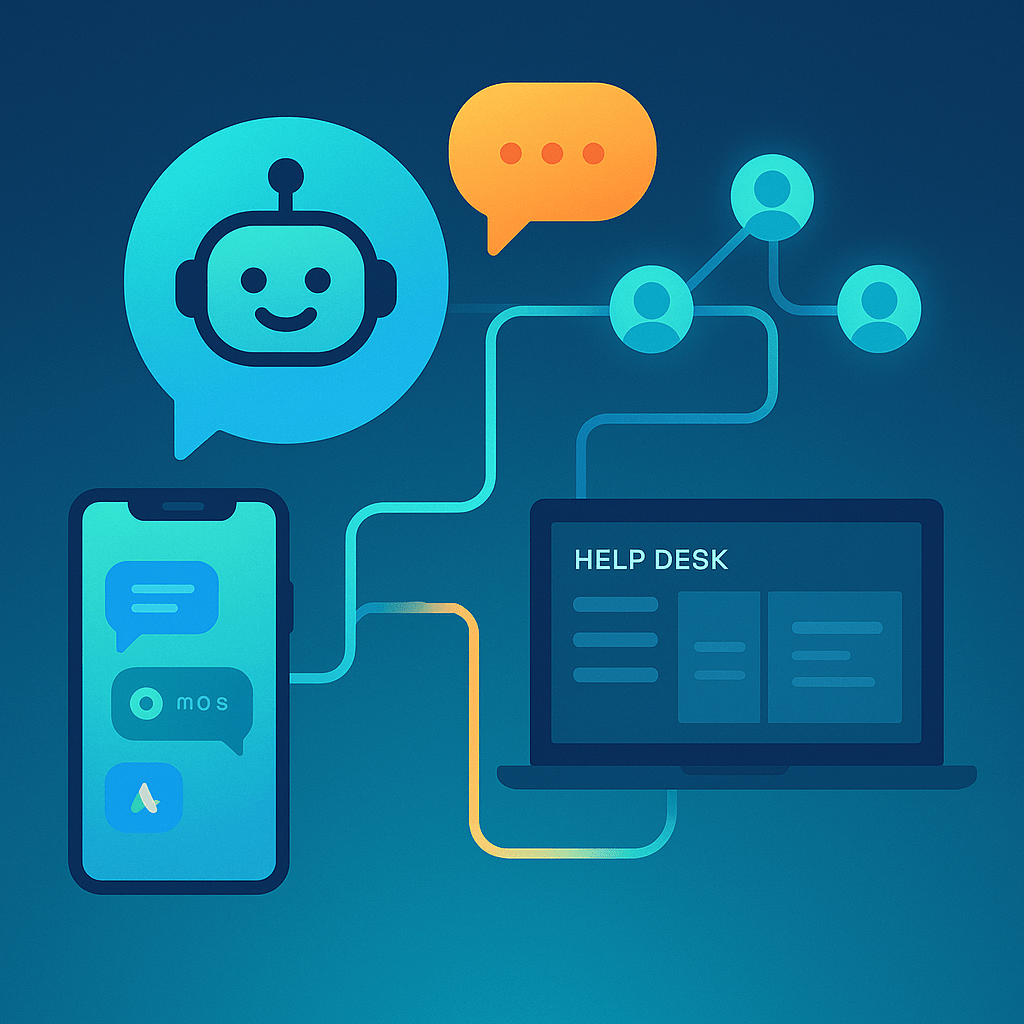
Enter intelligent chatbots. Unlike the scripted bots of the past, today’s AI-driven chatbots are smart, adaptive, and capable of understanding context. They don’t just answer FAQs—they resolve issues, make recommendations, and even predict customer needs. Let’s explore seven game-changing ways intelligent chatbots are transforming customer service this year.
1. Delivering 24/7 Instant Support
Why It Matters
In a digital world that never sleeps, customers demand round-the-clock assistance. Waiting until office hours for help is no longer acceptable.
Example
Telecom companies now deploy AI chatbots that handle late-night billing questions or technical troubleshooting without human intervention. A customer experiencing network issues at 2 AM can get real-time guidance, reducing frustration and improving loyalty.
Key Takeaway: Intelligent chatbots ensure no customer feels ignored, regardless of time zones.
2. Personalizing the Customer Experience
Why It Matters
Personalization has become the gold standard of customer service. People don’t want generic responses—they want interactions that feel tailored.
Storytelling
Imagine shopping online for running shoes. The chatbot recognizes your previous purchase of sports gear and suggests the latest shoe models based on your size and budget. Instead of a robotic reply, it feels like a personal shopping assistant.
Pro Tip: Use chatbots integrated with CRM systems to personalize every interaction.
3. Reducing Response Times with AI Efficiency
Why It Matters
According to studies, 90% of customers rate immediate response as essential when they have a support question.
Example
E-commerce platforms use chatbots to handle common queries—like order tracking or return policies—instantly. This frees up human agents to focus on complex cases, cutting average response times dramatically.
Key Takeaway: Faster responses build trust and encourage repeat purchases.
4. Streamlining Omnichannel Customer Service
Why It Matters
Customers often switch between platforms: starting with a Facebook message, moving to email, and ending on live chat. A disconnected experience can lead to frustration.
Example
An airline chatbot allows customers to check flight details via Messenger, reschedule flights via mobile app, and receive boarding pass updates through email—all synced in real-time.
H3: Pro Tip for Businesses
Adopt chatbot solutions that integrate across channels for a truly unified journey.
5. Empowering Human Agents with AI Assistance
Why It Matters
Chatbots aren’t here to replace humans; they’re here to support them. By handling repetitive tasks, AI empowers human agents to focus on empathy-driven conversations.
Storytelling
A customer service representative at a bank no longer spends hours resetting passwords. Instead, the chatbot takes care of it instantly, while the agent handles sensitive financial advice that requires human judgment.
Quick Win: Use chatbots to filter and prioritize queries before reaching agents.
6. Driving Sales Through Conversational Commerce
Why It Matters
Chatbots are not just about support—they’re also revenue generators.
Example
A beauty brand’s chatbot suggests skincare products based on a customer’s profile and even assists with checkout within the chat interface. What once required multiple clicks now happens in seconds.
Key Takeaway: Intelligent chatbots merge customer service with sales, creating new growth opportunities.
7. Learning and Improving Through Machine Learning
Why It Matters
The more interactions a chatbot handles, the smarter it becomes. Modern AI chatbots use machine learning to continuously refine their responses.
Example
Healthcare providers use chatbots to handle appointment scheduling. Over time, the chatbot learns common phrases and patterns, reducing misunderstandings and improving efficiency.
H4: Implementation Tip
Choose chatbot platforms that offer self-learning capabilities to stay ahead of customer needs.
Q&A: Quick Insights on Chatbots in 2025
Q: Will chatbots replace human agents?
A: No. Chatbots handle repetitive tasks, while human agents focus on empathy and complex problem-solving.
Q: Are chatbots only useful for large companies?
A: Not at all. Small businesses can benefit too, especially for managing FAQs and appointment bookings.
Q: How do chatbots improve customer satisfaction?
A: By delivering quick, personalized, and consistent support across multiple touchpoints.
Conclusion: The Future of Customer Service Is Intelligent
Chatbots in 2025 are no longer just digital assistants; they are intelligent partners that enhance every stage of the customer journey. From providing instant 24/7 support and personalized recommendations to driving sales and empowering human agents, these AI-powered tools are reshaping customer service.
The question is not whether you should adopt chatbots—but how quickly you can integrate them into your strategy. Start small, experiment, and let your chatbot evolve with your business.
Call-to-Action: Ready to transform your customer service? Explore intelligent chatbot solutions today and give your customers the seamless, personalized experience they deserve.
