Imagine being able to predict the next viral travel trend before it floods everyone’s feed. From hidden waterfalls to neon-lit rooftop cafés, Instagrammable destinations are no longer just about beauty—they’re about timing, planning, and foresight. With predictive analytics and smart forecasting strategies, destinations can stay ahead of shifting traveler preferences and deliver experiences that wow visitors.
Predicting the Future of Travel
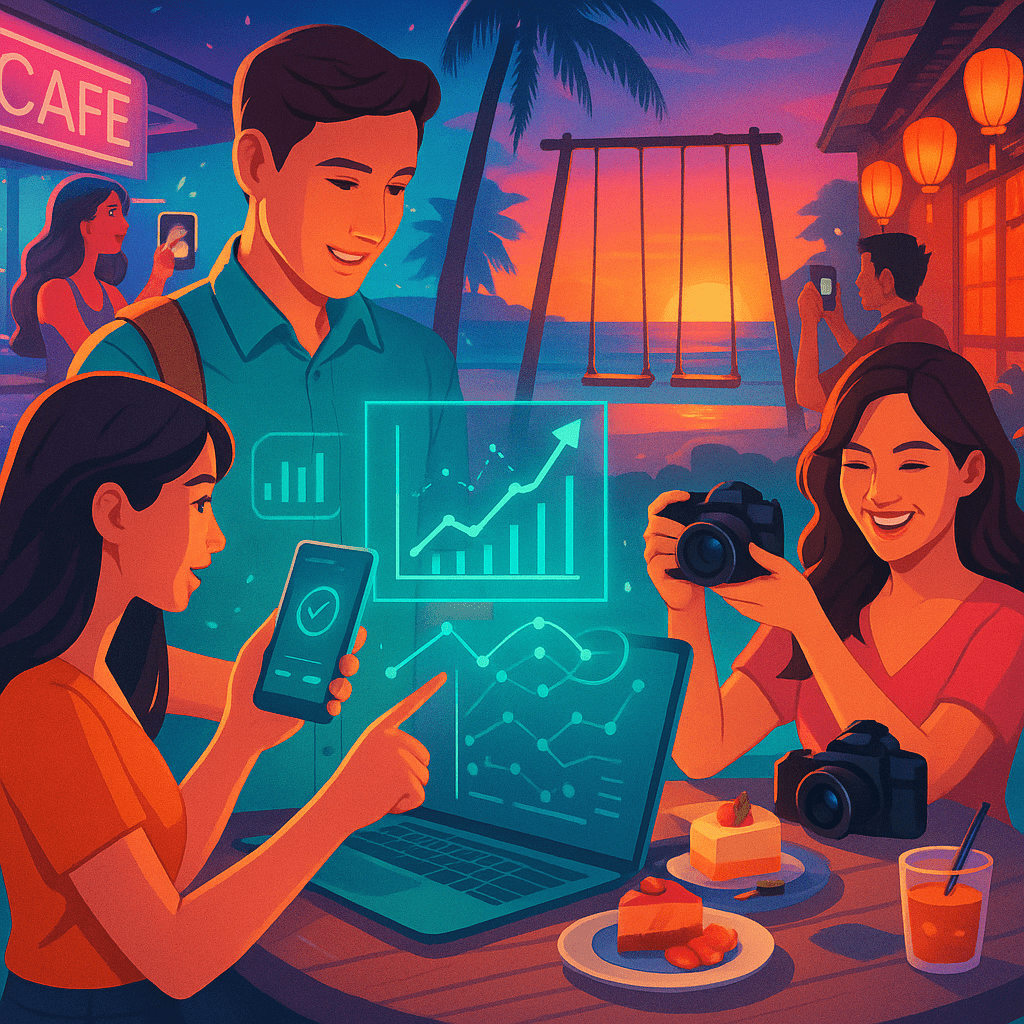
This article reveals 10 powerful forecasting strategies that every Instagram-worthy destination should use. From data-driven insights to storytelling through social media, these tactics will help you stay relevant, attract new audiences, and create a sustainable tourism model.
1. Use Social Media Listening Tools
Why It Matters
Social media is the first place trends appear. By monitoring hashtags, comments, and engagement patterns, destinations can spot what visitors crave.
Example in Action
A Bali café noticed a spike in the hashtag #pinklatte. They quickly introduced a pink dragon fruit latte, and within weeks, the café became a viral hotspot.
2. Analyze Historical Visitor Data
Digging Into Patterns
Past visitor numbers reveal valuable insights. By examining seasonal peaks, length of stay, and booking habits, destinations can anticipate high-demand periods.
Practical Tip
Use tools like Google Analytics and reservation software to identify when international vs. local tourists are most likely to visit.
3. Leverage AI-Powered Predictive Models
The Future Is Automated
Artificial intelligence can analyze massive datasets to predict demand spikes, pricing sweet spots, and even trending activities.
Example
Singapore’s tourism board uses AI to forecast peak flight arrivals, helping them optimize event schedules and reduce congestion.
4. Monitor Global Travel Trends
Staying in Sync
Travel doesn’t exist in a bubble. Global events, from music festivals to climate changes, can dramatically shift demand.
Storytelling
During the cherry blossom season in Japan, Instagram engagement for #sakura skyrockets. Destinations that prepare with themed packages attract more visitors.
5. Collaborate With Influencers for Early Signals
Why Influencers Matter
Content creators often set the tone for what becomes viral. Partnering with them provides early insight into what resonates with audiences.
Example
A small Greek island collaborated with micro-influencers to promote sunset photography spots. Within a year, the island was featured in multiple travel magazines.
6. Apply Weather and Climate Forecasting
Beyond Rain or Shine
Weather strongly influences travel experiences. Forecasting helps destinations prepare for sudden shifts and adjust marketing campaigns accordingly.
Example in Action
Ski resorts in Switzerland now use predictive climate models to optimize snow machine usage, ensuring visitors always get the “winter wonderland” they expect.
7. Track Airline and Accommodation Bookings
Why It’s Crucial
Flight and hotel bookings are leading indicators of future visitor demand. Analyzing booking trends lets destinations align resources.
Data Point
A rise in low-cost flight bookings to Bali in 2019 signaled a huge wave of budget-conscious travelers. Resorts that adjusted with affordable packages captured this market early.
8. Forecast Visitor Spending Patterns
Predicting Purchases
Understanding not just who visits but how they spend is key. Forecasting shopping, dining, and activity preferences allows businesses to maximize revenue.
Example
Dubai predicts luxury spending by tracking high-end credit card usage. This helps them tailor shopping festivals that draw in wealthy travelers.
9. Use Sentiment Analysis on Reviews
The Hidden Goldmine
Reviews hold emotional insights that pure numbers can’t reveal. Sentiment analysis predicts what future visitors will value most.
Practical Example
TripAdvisor reviews once showed rising complaints about overcrowding in Santorini. Authorities used this forecast to cap cruise ship arrivals, protecting the island’s charm.
10. Combine Forecasting With Creative Storytelling
Why Storytelling Completes the Puzzle
Forecasting tells you what’s coming, but storytelling turns data into desire. Destinations must transform insights into compelling narratives that capture travelers’ imaginations.
Storytelling Example
An eco-lodge in Costa Rica predicted growing demand for sustainable tourism. They paired the data with social media stories about wildlife preservation, attracting eco-conscious millennials.
Conclusion: The Power of Looking Ahead
Forecasting isn’t about guessing—it’s about using data, trends, and creativity to anticipate what tomorrow’s travelers want today. Instagrammable destinations that embrace these 10 strategies will not only stay relevant but also thrive in a competitive travel market.
Call to Action:
If you’re managing a destination, ask yourself: Which forecasting strategy can I start applying this month? Begin with small steps, experiment, and watch your location transform into a must-visit hotspot that travelers can’t resist sharing.
