You’ve done the math, crunched the numbers, and made your best prediction for next quarter. But somehow, things still don’t go as planned. Sound familiar?
Most businesses think they’re forecasting accurately. But in reality, small oversights and missteps in your prediction models can quietly bleed your profits over time. Whether you’re a startup owner, a marketing lead, or a supply chain manager, forecasting isn’t just about guessing the future—it’s about anticipating it smartly and avoiding traps that even the pros sometimes fall into.
Are Your Forecasts Secretly Draining Your Profits?
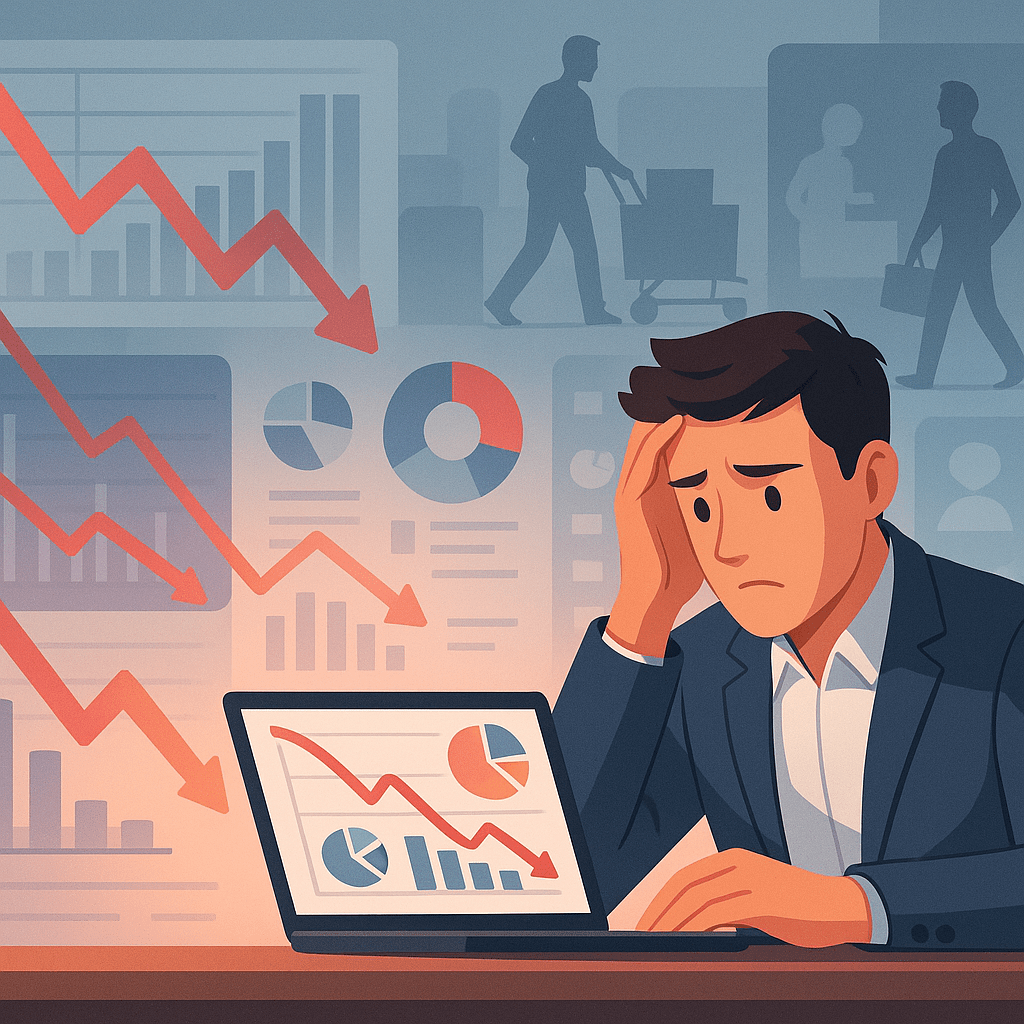
Let’s break down five common forecasting mistakes that could be costing you more than you realize—and how to fix them.
1. Relying Too Heavily on Historical Data Alone
Why It’s a Problem
Looking back at past performance is useful—but it’s not the full story. Many companies assume that what happened last year will repeat itself. Unfortunately, markets shift, consumer behavior evolves, and external shocks (like pandemics or economic downturns) happen.
Real-World Example
In 2020, several retail brands used 2019 sales data to forecast product demand—leading to overstocked shelves when lockdowns reduced foot traffic.
What to Do Instead
Incorporate real-time data sources such as social media trends, economic indicators, and even weather patterns, depending on your industry. Consider using adaptive models that update predictions as new data flows in.
2. Ignoring Seasonality and Market Cycles
Why It’s a Problem
If your forecasting model doesn’t factor in seasonal trends, you’re flying blind during peak and low periods. This can lead to underestimating demand during high seasons or overspending on inventory during slow months.
Pro Tip
Use time series analysis tools (like ARIMA or Prophet by Meta) to model seasonality and cyclic trends. Tools like Google Trends can also reveal seasonal interest in certain products or services.
3. Overlooking External Variables
Why It’s a Problem
Internal metrics like sales and expenses are just one piece of the puzzle. External variables—like competitor moves, economic indicators, or even global events—can skew your forecasts if not accounted for.
Real-World Example
A travel agency predicted strong summer bookings in 2022, but failed to account for rising fuel prices and airline strikes, resulting in massive cancellations.
Solution
Create a flexible forecasting model that includes both quantitative and qualitative factors. Regularly monitor news, industry reports, and competitor performance.
4. Failing to Collaborate Across Departments
Why It’s a Problem
Forecasting done in silos leads to misalignment. Sales may predict one thing, operations may plan for another, and marketing could be launching campaigns based on outdated numbers.
What to Do Instead
Adopt a collaborative forecasting approach. Bring in cross-functional teams and encourage open data sharing. Use centralized dashboards or cloud-based analytics platforms to ensure everyone’s looking at the same data.
Recommended Tools
Platforms like Tableau, Power BI, and Looker can unify your data and improve cross-team visibility.
5. Lack of Continuous Improvement
Why It’s a Problem
Many teams “set and forget” their forecasting models. But just like any part of your business, your models need regular tuning. Ignoring feedback loops or model errors can create a compounding effect of poor predictions.
Fix It with Feedback
Track the accuracy of your forecasts and analyze discrepancies. Ask: where did we go wrong, and why? Then revise your inputs or model structure accordingly.
Wrapping It Up: Forecast Smarter, Earn More
Forecasting isn’t just a back-office exercise—it’s a core driver of profitability. Whether you’re managing inventory, allocating budgets, or planning strategic growth, small improvements in your forecasting accuracy can lead to big gains.
By avoiding these five costly mistakes and using data more intelligently, you can take control of your business future instead of just reacting to it.
Call-to-Action
Ready to level up your forecasting strategy? Start by reviewing your current models for the five mistakes we covered. Then, consider integrating smarter analytics tools or even consulting with a data expert to refine your approach.
Small changes today can lead to smarter profits tomorrow.
