In today’s fast-paced world, automation is transforming industries and reshaping job roles at an unprecedented pace. The rise of artificial intelligence (AI), robotics, and machine learning has brought both excitement and concern regarding its impact on the workforce. While automation promises increased efficiency, reduced operational costs, and enhanced productivity, it also raises valid concerns about job displacement and skill gaps. This article explores the multifaceted impact of automation on job roles, highlighting both the opportunities it creates and the challenges it brings.
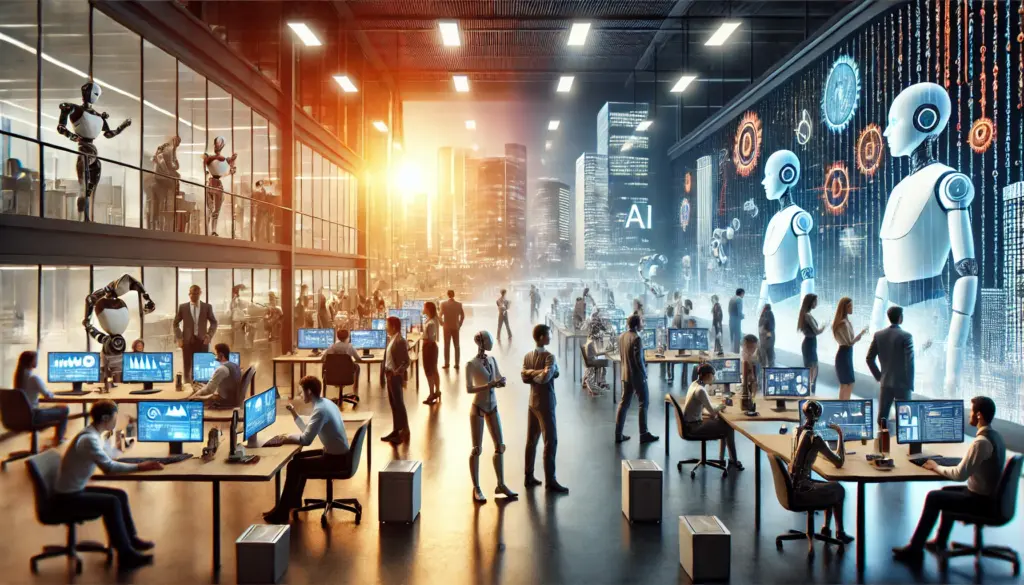
The Rise of Automation: A Double-Edged Sword
The concept of automation is not new. Industries have been using machines and technology to perform tasks for decades. However, the rapid advancements in AI and robotics have taken automation to new heights. From manufacturing floors to service industries, robots and intelligent systems are becoming indispensable, replacing human labor in repetitive and manual tasks. But this transition is not without its complications.
On one hand, automation creates an opportunity for businesses to operate more efficiently. With machines performing repetitive tasks, human workers are freed to focus on more complex, creative, and strategic roles that require problem-solving and critical thinking. For example, automation in data entry or assembly lines reduces the chances of human error and increases production speed, which can ultimately lead to cost savings and improved service delivery. Workers in higher-value roles, such as managers or engineers, can now spend more time focusing on innovation and decision-making.
Opportunities for New Roles and Skill Development
While automation may result in the loss of certain jobs, it also generates opportunities for new roles that didn’t exist before. As industries evolve, so too does the demand for professionals skilled in working alongside technology. The emergence of new sectors such as AI programming, robotics maintenance, and data analysis has created a new breed of jobs that require a blend of technical expertise and creative thinking.
For instance, industries such as healthcare are embracing automation through robotic surgeries, diagnostic AI tools, and automated patient care. As these technologies advance, the demand for workers to operate, maintain, and improve these systems grows. Moreover, as automation systems evolve, employees are required to adapt, making upskilling and lifelong learning essential components of the modern workforce. Workers who develop expertise in automation tools and their integration will be highly valued across industries, ensuring job security in a rapidly transforming world.
The Challenges of Job Displacement and Inequality
Despite the opportunities, automation also brings significant challenges, particularly in terms of job displacement and inequality. Routine jobs that involve manual labor or simple decision-making are at high risk of being replaced by machines. For instance, tasks performed by cashiers, assembly line workers, or customer service representatives are increasingly being automated with machines capable of handling these duties more efficiently. This disruption can be especially harsh for workers who have limited access to retraining or upskilling programs, creating a growing divide between the highly skilled and the low-skilled.
The fear of widespread unemployment due to automation is not unfounded. In many industries, workers who lose their jobs due to technological advancements may find it difficult to transition into new roles, particularly in regions where automation has a more significant impact. Addressing this issue requires collaboration between governments, educational institutions, and businesses to ensure that displaced workers have access to the resources and training necessary to thrive in the new economy.
Addressing the Challenges: A Collaborative Approach
To mitigate the negative impact of automation, it is crucial for organizations and governments to adopt a proactive approach. Companies must be transparent about the potential effects of automation on their workforce, providing employees with opportunities to upskill and transition into new roles. Governments can help by investing in education and training programs that focus on emerging technologies, ensuring that workers are prepared for the future of work.
Moreover, businesses must recognize that the human element will always be essential. While machines can enhance efficiency, it is human creativity, empathy, and judgment that will drive innovation and success. Automation should be viewed as a tool that complements the workforce, not a replacement for it.
Q&A: How Can Businesses Navigate the Impact of Automation?
Q: How can businesses leverage automation without sacrificing jobs? A: Businesses can leverage automation by automating repetitive and manual tasks while focusing on reskilling employees for higher-value roles. By combining automation with human intelligence, companies can increase productivity without necessarily reducing their workforce.
Q: What role does employee training play in adapting to automation? A: Employee training is essential for adapting to automation. By offering continuous learning opportunities and training programs focused on new technologies, businesses can ensure that their workforce remains adaptable and competitive in an evolving job market.
Q: Can automation lead to the creation of more meaningful jobs? A: Yes, automation can lead to the creation of more meaningful jobs by freeing employees from mundane tasks and enabling them to focus on tasks that require creativity, innovation, and complex problem-solving. Automation allows workers to engage in more strategic and impactful roles within organizations.
Conclusion: Embracing the Future of Work
In conclusion, the impact of automation on job roles presents both opportunities and challenges. While automation can streamline operations and create new, innovative roles, it also requires careful consideration of its effects on workers. By embracing automation in a way that focuses on collaboration between humans and machines, businesses can navigate the changing landscape while ensuring that their employees are equipped to thrive in the future of work. Through upskilling and adaptation, both workers and employers can unlock the full potential of automation, creating a more dynamic, productive, and inclusive workforce.
